
Septic Pumping in Taneytown, MD
Dependable Septic Pumping for Properties Across Taneytown, MD
When you schedule service with Legacy, we take a proactive approach by working with the local health department to review available septic system records for your Taneytown property. This allows us to better understand your system’s history and configuration before we arrive, helping ensure efficient and accurate service.
On service day, a skilled technician is sent to your location to perform the septic pumping. They locate the tank, assess access conditions, account for any on-site considerations such as landscaping or animals, and determine the appropriate equipment setup. During the visit, the technician evaluates system conditions and gathers measurements that help guide future service timing recommendations.
Once the service is complete, all findings are reviewed to identify potential concerns, needed repairs, or maintenance suggestions. This information is documented in your service record to help keep your septic system operating reliably over time.
Legacy Septic Services is also available 24/7 for urgent septic issues in and around Taneytown, MD. If an emergency arises or you need immediate assistance, you can reach our team anytime at 410-840-8766.
What Happens If a Septic Tank Isn’t Pumped on Schedule?
Risk of Overflows and Breakdowns: As solids settle inside the tank and grease rises to the top, space for wastewater treatment becomes limited. Without routine pumping, these materials can overflow into pipes or the drain field, increasing the risk of backups, foul odors, and surface pooling—issues that often require expensive repairs.
Reduced Treatment Efficiency: A neglected tank struggles to properly separate solids from liquids. When this balance is disrupted, untreated wastewater may reach the drain field, increasing the chance of soil saturation and contamination rather than allowing safe filtration.
Shortened System Life: Septic systems are designed for long-term use, but skipped maintenance puts unnecessary stress on key components. Routine pumping helps protect the tank and drain field, reducing wear and lowering the likelihood of early system replacement.
Environmental and Health Concerns: When waste escapes the tank prematurely, it can impact the surrounding soil and groundwater. This not only poses environmental concerns but can also create health risks for people and animals on or near the property.
Potential Compliance and Property Issues: Many local jurisdictions require septic systems to be properly maintained. Falling behind on pumping schedules can lead to compliance issues and may complicate property sales, inspections, or ownership transfers.
In most cases, septic tanks should be pumped every three to five years, though factors such as tank size, water usage, and the number of occupants or users can affect timing. A septic professional can evaluate your system and recommend a maintenance schedule that fits your specific setup.
How Is a Septic Tank Pumped?
Locating the Septic Tank: The process begins by determining where the septic tank is positioned on the property. If the location isn’t clearly marked, technicians use experience, system records, and specialized equipment to identify it accurately.
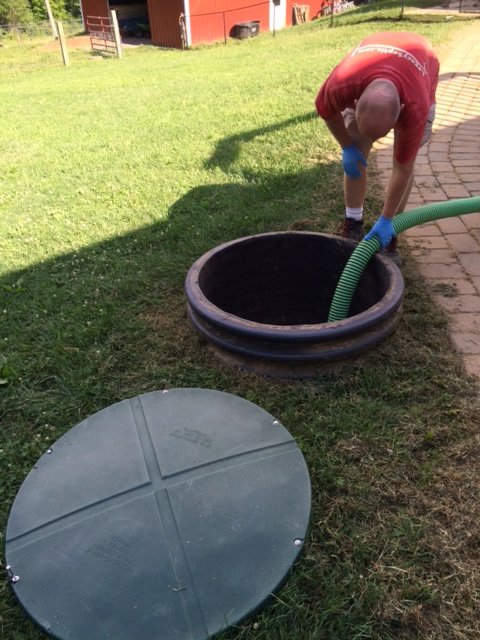
Accessing the Tank: Once the tank is located, the access point is opened. Some systems have surface-level risers that allow easy entry, while older setups may require carefully removing soil to reach the lid.
Assessing Tank Conditions: Before pumping begins, the technician reviews waste levels inside the tank. This initial assessment helps identify abnormal buildup or visible concerns that may affect system performance.
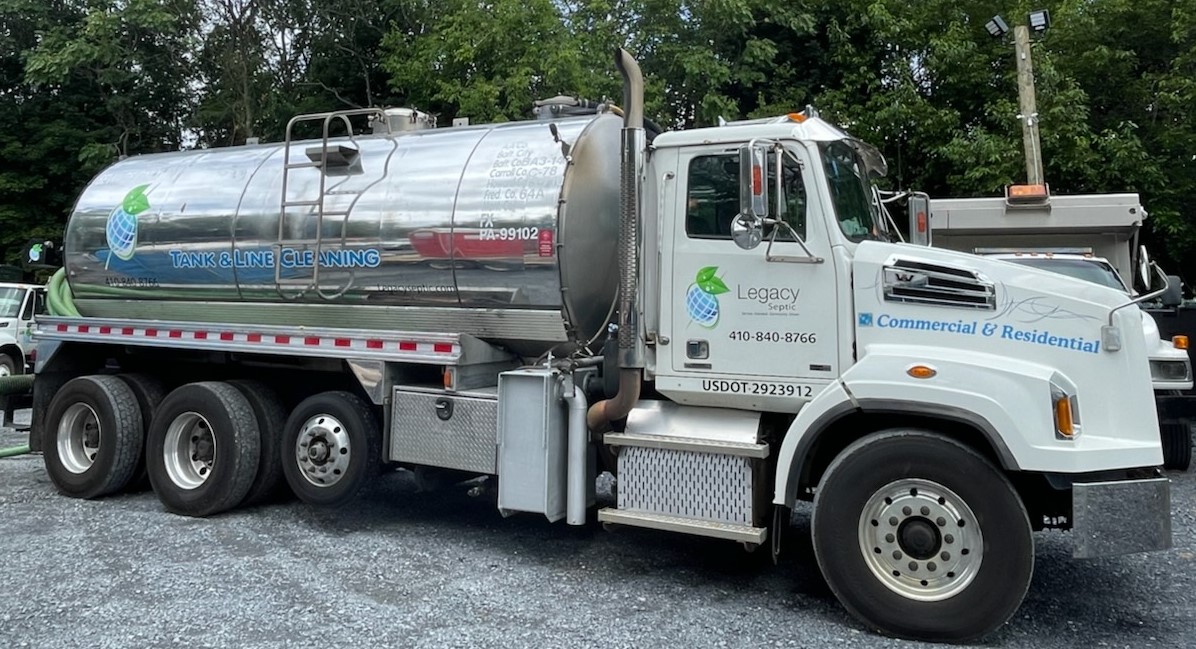
Pumping Out Waste Materials: A vacuum truck is then used to remove the tank’s contents. Sludge, scum, and wastewater are extracted through a heavy-duty hose and safely contained within the truck for transport.
Inspecting the Tank Interior: With the tank emptied, visible components can be checked for signs of deterioration, damage, or potential problem areas. In some cases, residue along the tank walls may be cleared to allow for a clearer inspection.
Transporting and Disposing of Waste: All removed material is taken to an approved treatment facility, where it is processed in accordance with environmental and regulatory guidelines.
Closing the Tank and Restoring the Area: After service is complete, the tank is securely sealed, and any disturbed areas are restored as closely as possible to their original condition.
Reviewing Findings and Next Steps: Before leaving, the technician documents the service and may provide maintenance recommendations, including suggested pumping intervals based on system usage and condition.
Routine septic pumping plays an important role in preventing backups, extending system life, and avoiding costly repairs. Pumping frequency varies depending on system size, usage, and water demand, making professional guidance essential for proper maintenance.
How Frequently Does a Septic Tank Need Pumping?
Tank Size: Larger tanks can store more sludge and scum before reaching capacity, allowing for longer intervals between pump-outs. Smaller tanks fill more quickly and typically require more frequent service.
Number of Users: The more people regularly using the system, the faster waste accumulates inside the tank. Properties with higher occupancy tend to reach pumping thresholds sooner.
Daily Water Usage: Increased water flow pushes waste through the system more rapidly, which can lead to faster buildup of solids inside the tank.
Waste Load: Habits such as frequent laundry use, heavy water consumption, or relying on garbage disposals can increase the amount of solid material entering the tank, shortening the time between pumping services.
Based on these factors, the following general recommendations are often used as a guideline:
- For properties with 1–2 regular users: Pump every 3–4 years
- For properties with 3–5 regular users: Pump every 2–3 years
- For properties with 6 or more regular users: Pump every 1–2 years
These timeframes are meant to serve as a starting point. Actual pumping needs can vary depending on system design, tank size, and usage patterns. For example, a smaller tank supporting multiple users may require service more frequently, while a larger system with light use may extend beyond these intervals.
Reducing strain on your septic system can also help lengthen the time between pumpings. Conserving water, keeping grease and non-degradable items out of drains, and avoiding harsh chemicals all contribute to healthier system performance.
Routine inspections by a septic professional are strongly recommended. These visits allow for accurate measurement of sludge and scum levels, identification of developing issues, and the creation of a pumping schedule tailored to your specific system.
Staying proactive with maintenance helps protect your septic system, reduce the risk of unexpected problems, and avoid unnecessary repair or replacement costs.
Request Pumping Service
"*" indicates required fields
Call Us
Text Us
Other Septic Services We Offer
Septic Installation
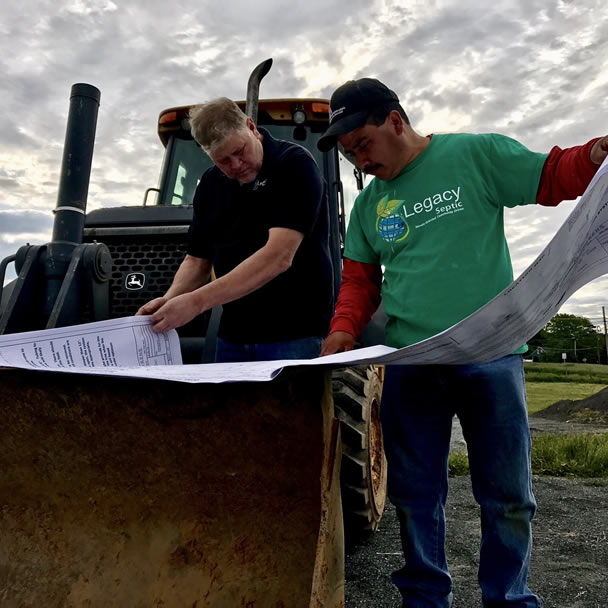
Legacy Septic provides professional septic system installation services for properties throughout Taneytown, MD, customizing each setup to match site conditions, system requirements, and long-term performance needs. Every installation is approached with careful planning, detailed evaluations, and a focus on delivering a system that functions efficiently from day one.
From initial soil assessments and system layout through final installation and verification, our experienced team follows proven methods and strict safety standards to ensure dependable results. Attention to detail at every stage helps create a streamlined process while reducing delays and unexpected issues.
With a strong commitment to quality workmanship and customer satisfaction, Legacy Septic delivers installation solutions built for durability, reliability, and long-term use. Property owners in Taneytown, MD can feel confident choosing a customized septic installation designed to support consistent system performance.
We can deliver a septic tank faster than most competitors — permitting is typically the only factor that affects the timeline.
Septic Maintenance & Care
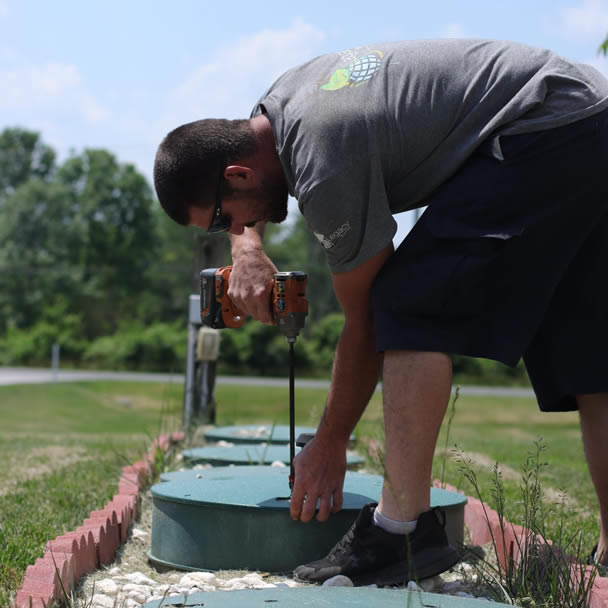
Regular preventive maintenance plays a key role in keeping a septic system operating efficiently and reducing the risk of unexpected issues. Ongoing care helps identify minor concerns early, supports consistent system performance, and can extend the overall lifespan of your septic components.
Legacy Septic offers structured preventive maintenance programs designed to support a wide range of septic systems, including:
Our septic preventive maintenance services include:
- BAT (Norweco) Septic Maintenance Program
- Sandmound Preventive Maintenance Program
- Sewer Ejector Pump Preventive Maintenance Program
Each program is designed to promote reliable operation, support regulatory compliance, and reduce the likelihood of costly repairs caused by neglected maintenance.
Learn More
Water/Sewer Line Repairs
Even properties connected to municipal water and sewer systems can experience issues with their underground lines over time. These pipes are exposed to a range of conditions that can lead to deterioration, including aging materials, soil movement, freezing temperatures, corrosion, and intrusion from nearby tree roots.
When water or sewer lines become damaged, the result can be leaks, slow drainage, unpleasant odors, or even structural concerns around the property. Addressing these problems early helps prevent more extensive damage and reduces the risk of costly repairs or service disruptions.
Legacy Septic provides comprehensive water and sewer line repair services designed to restore proper function and protect your property. Our team is equipped to assess line conditions, identify the source of the issue, and carry out targeted repairs efficiently. Whether the problem involves cracks, blockages, collapsed sections, or shifting ground, we work quickly to minimize impact and help ensure reliable operation moving forward.
About Legacy Septic
At Legacy Septic, we support property owners throughout Carroll County, by providing clear guidance and dependable septic services. Our approach focuses on education as much as service, helping buyers, owners, and sellers understand their septic systems and make informed decisions.
From assisting first-time buyers to advising homeowners on proper system care and helping sellers present well-maintained systems, our team works closely with each client’s needs and timeline. Through community outreach and on-site visits, Legacy Septic delivers practical knowledge, trusted service, and long-term support you can rely on.

About Taneytown, MD
Taneytown is a historic city located in the northwestern part of Carroll County, Maryland, positioned just east of Frederick County and a short drive south of the Pennsylvania state line. With convenient access via Maryland Route 140 and Route 194, Taneytown offers direct connections to Frederick, Baltimore, Hanover, and surrounding communities, making it an accessible location for both residents and businesses.
Founded in 1754, Taneytown has deep colonial roots and played a role in early Maryland history long before Carroll County was officially established in 1837. The city was named after Raphael Taney, one of the area’s early land grant recipients, and later became part of Taneytown Hundred during its time within colonial Frederick County. Today, Taneytown is home to just over 7,200 residents, maintaining a balance between small-town charm and modern growth.
Taneytown is known for its connection to actor Fred Gwynne, best remembered for his role as Herman Munster on the popular television program The Munsters, which aired from 1964-1966. Gwynne later made Taneytown his home, where he lived quietly until his passing in 1993. He is buried in an unmarked grave at Sandy Mount United Methodist Church Cemetery in Finksburg, Maryland.




Septic Services Can't Wait. Legacy responds immediately!
Proudly serving Carroll, Baltimore, Howard, and Frederick Counties, including Hampstead, Owings Mills, Reisterstown, Taneytown, Finksburg, Monkton, and Parkton for over 35 years!
Get Social With Us!
Contact Us!
2914 Hanover Pike
Manchester, MD 21102
Telephone: 410-840-8766
Email: info@legacyseptic.com
Text: 240-372-2744
© 2026 All Rights Reserved. | Privacy Policy