
Septic Pumping in Finksburg, MD
Septic Pumping Services in Finksburg, MD
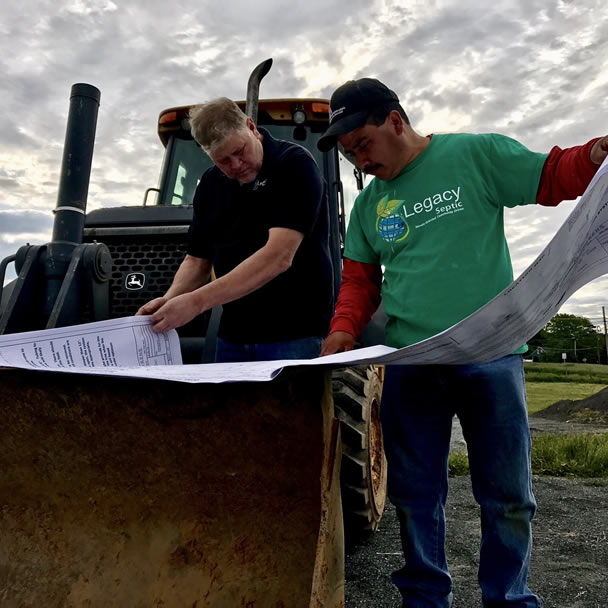
Preparation begins before the appointment, with a review of available system details to better understand layout, usage, and prior maintenance. This groundwork allows our technicians to arrive ready to work efficiently and address each property’s specific needs.
During the visit, the technician assesses site access, locates the septic tank, and configures equipment based on the surrounding conditions. Pumping is completed carefully while observing system behavior and collecting information that helps guide future service recommendations.
Once the work is finished, findings are documented and reviewed, including any maintenance suggestions or concerns that may require follow-up. This record supports informed decisions and helps promote consistent septic system performance over time.
For urgent septic issues, 24/7 emergency service is available in Finksburg, MD. Immediate assistance is just a phone call away at 410-840-8766.
Why Routine Septic Pumping Makes a Difference
Higher Likelihood of Backups and Failures: As solids collect and grease accumulates, available space inside the tank becomes limited. Without regular pumping, waste can be forced into connecting pipes or the drain field, leading to backups, odors, or wastewater surfacing on the property—often requiring extensive repairs.
Reduced Ability to Treat Wastewater: Septic systems depend on proper separation of solids and liquids to function effectively. When pumping intervals are stretched too long, untreated wastewater is more likely to reach the drain field, increasing the risk of soil saturation and contamination.
Added Stress on Critical Components: Skipping routine pumping places unnecessary strain on the tank and drain field. Staying on schedule helps protect these components, supporting long-term performance and reducing the likelihood of premature system failure.
Environmental and Safety Concerns: When waste escapes the system before it’s properly treated, nearby soil and groundwater can be affected. Regular maintenance helps reduce environmental impact and protects the health of people and animals in the surrounding area.
Potential Compliance and Property Issues: Septic systems are often subject to inspection and maintenance requirements. Falling behind on recommended service schedules can complicate inspections, property sales, or ownership transfers.
In general, septic tanks are pumped every three to five years, though actual timing depends on tank size, system design, water usage, and how many people regularly use the system. A septic professional can evaluate your setup and recommend a pumping schedule that fits your specific needs.
How Does a Septic Pumping Appointment Work?
Locating the Septic Tank: The appointment begins with confirming where the septic tank is located on the property. When the location isn’t immediately obvious, technicians use system records, experience, and locating equipment to find it accurately.
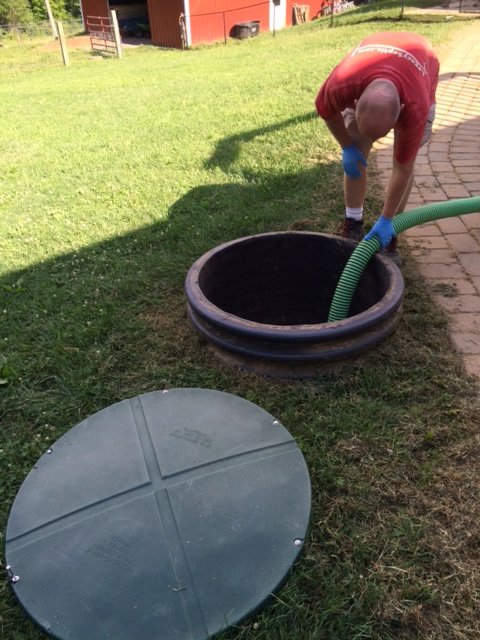
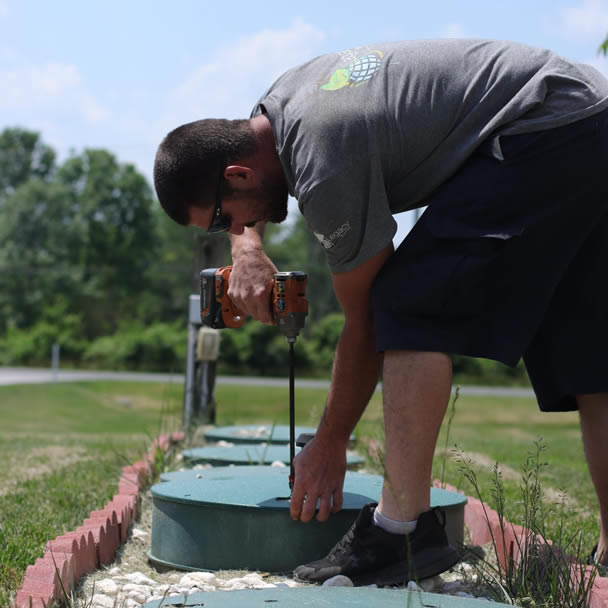
Accessing the Tank: Once the tank is identified, the access point is opened. Some systems allow easy surface access through risers, while others require carefully uncovering the lid to reach the tank.
Evaluating Waste Levels: Before pumping begins, the technician checks the volume and condition of material inside the tank. This helps determine whether buildup levels are typical and if there are any early signs of concern.
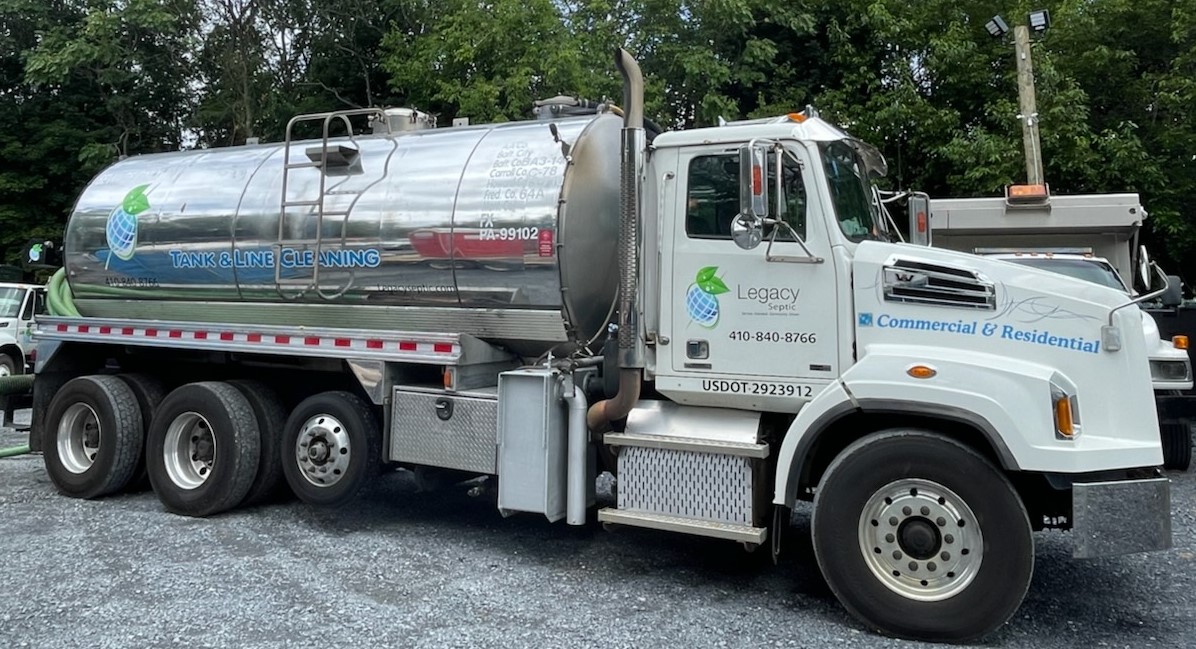
Pumping the Tank: A vacuum truck is used to remove liquid waste, sludge, and scum from the tank. The contents are drawn out through a heavy-duty hose and safely contained for transport.
Inspecting Visible Components: With the tank emptied, accessible areas are examined for signs of wear, damage, or developing issues. In some cases, residual material is cleared to allow for a more complete visual check.
Transporting and Processing Waste: All removed waste is taken to an approved facility, where it is handled and processed in compliance with environmental and disposal regulations.
Closing the Tank and Restoring the Area: After service is complete, the tank is securely sealed, and any disturbed ground is returned as closely as possible to its original condition.
Reviewing Findings and Next Steps: Before leaving, the technician documents the service and may discuss observations, recommendations, or future maintenance timing based on system usage and condition.
Regular septic pumping helps prevent backups, supports reliable system operation, and reduces the risk of unexpected repairs. Because every system is different, professional evaluation is the best way to determine an appropriate maintenance schedule.
How Do I Know When It’s Time to Pump My Septic Tank?
There’s no universal schedule that works for every septic system. Knowing when it’s time to pump depends on a combination of system design, usage habits, and how quickly waste accumulates inside the tank. Understanding the factors below can help you recognize when service may be needed.
Tank Size: Larger septic tanks are able to store more sludge and scum before reaching capacity, which can extend the time between pump-outs. Smaller tanks tend to fill faster and usually require more frequent service.
Number of People Using the System: Septic systems serving more occupants or heavier daily use will accumulate waste at a quicker rate. Increased usage shortens the window between recommended pumping intervals.
Water Usage Habits: High water consumption moves wastewater through the system more rapidly, which can speed up the buildup of solids inside the tank.
Amount and Type of Waste Entering the Tank: Frequent laundry, heavy water use, and garbage disposal use all contribute additional solids to the system, increasing the likelihood that pumping will be needed sooner.
As a general guideline, septic pumping is often recommended within the following timeframes:
- Systems used by 1–2 people: Pump every 3–4 years
- Systems used by 3–5 people: Pump every 2–3 years
- Systems used by 6 or more people: Pump every 1–2 years
These ranges are meant to serve as a reference point rather than a strict rule. A smaller tank with heavy use may require more frequent pumping, while a larger system with lighter use may extend beyond these intervals.
Daily habits can also influence how often pumping is needed. Conserving water, avoiding grease and non-degradable materials in drains, and limiting harsh chemicals can help slow waste accumulation.
Routine inspections by a septic professional provide the most accurate insight. Measuring sludge and scum levels, identifying early concerns, and reviewing system conditions allow for a pumping schedule tailored to your specific setup.
Keeping up with recommended maintenance helps support reliable system operation, reduces the risk of unexpected issues, and can prevent costly repairs or premature replacement.
Request Pumping Service
"*" indicates required fields
Call Us
Text Us
Other Septic Services We Offer
Septic System Installation
Septic system installation is a process that requires careful coordination, technical knowledge, and attention to site-specific details. For properties in Finksburg, MD, Legacy Septic provides installation services designed to account for land conditions, system requirements, and long-term functionality from the outset.
Each project begins with a detailed review of the property, including soil characteristics, layout considerations, and intended system use. This planning phase helps determine the most suitable system design and reduces the risk of delays or unexpected challenges during installation.
Installation is then completed using reliable methods and modern equipment, followed by thorough checks to ensure the system is operating properly. The result is a septic system built for consistent performance and dependable service over time.
Septic tanks are sourced and delivered quickly, with permitting typically setting the timeline.
Ongoing Septic System Care
Keeping a septic system running smoothly isn’t about waiting for problems to show up—it’s about giving it the right care along the way. Ongoing maintenance helps prevent surprises, keeps everything working efficiently, and can save you from costly repairs down the road.
Legacy Septic offers septic maintenance services designed to make system care simple and stress-free. Each maintenance plan is tailored to the type of system you have and how it’s used, so you’re not locked into a one-size-fits-all approach. The goal is dependable performance and fewer worries over time.
Our septic maintenance services include:
- BAT (Norweco) Septic Maintenance Program
- Sandmound Preventive Maintenance Program
- Sewer Ejector Pump Preventive Maintenance Program
These programs focus on regular monitoring, proper operation, and catching small issues before they become bigger problems.
Water & Sewer Line Repairs
Water and sewer lines may be out of sight, but they’re essential to keeping everything on your property running smoothly. Over time, these underground lines can be affected by normal wear, shifting soil, temperature changes, corrosion, or tree root intrusion—even when a property is connected to public water or sewer systems.
Problems with these lines often start small and show up as slow drains, lingering odors, damp areas in the yard, or changes in how plumbing fixtures behave. Addressing these signs early can help prevent bigger disruptions and avoid more extensive repair work later on.
Legacy Septic provides water and sewer line repair services focused on finding the source of the issue and fixing it the right way. Our team carefully evaluates line conditions, explains repair options clearly, and completes the work efficiently to minimize disruption. Whether the issue involves a blockage, a damaged section of pipe, or shifting ground, we’re here to help protect your property and restore reliable operation.
About Legacy Septic
Legacy Septic was named to honor George Schooley Sr., whose work ethic and attention to detail shaped the standards the company follows today. From an early age, those values were learned firsthand through years of hands-on experience and a strong emphasis on doing the job right the first time.
With over 35 years of experience, that foundation continues to guide the company’s approach, with a focus on quality workmanship, accountability, and care in every service provided. The name “Legacy” reflects a commitment to carrying those principles forward in everything the team does.

About Finksburg, MD
Finksburg is an unincorporated community in Carroll County, Maryland, located near the border of Baltimore County. Home to approximately 10,000 residents, it is the location of the National Security Agency‘s EKMS Central Facility. Positioned at the intersection of Maryland Routes 91 and 140, the area offers convenient access to Westminster, Reisterstown, and surrounding communities. Finksburg also sits just northwest of Liberty Reservoir, adding to its appeal as a residential area with a balance of accessibility and open space.
The community takes its name from Adam Fink, who built the first home in the area and operated a tavern and toll road in the early 1800s. One notable modern landmark is the Finksburg Branch of the Carroll County Public Library, which opened in 2009 and became the county’s first green building, reflecting the area’s focus on sustainability and community investment. Today, Finksburg remains a largely residential area valued for its location, services, and connection to the greater Carroll County area.



Septic Services Can't Wait. Legacy responds immediately!
Proudly serving Carroll, Baltimore, Howard, and Frederick Counties, including Hampstead, Owings Mills, Reisterstown, Taneytown, Finksburg, Monkton, and Parkton for over 35 years!
Get Social With Us!
Contact Us!
2914 Hanover Pike
Manchester, MD 21102
Telephone: 410-840-8766
Email: info@legacyseptic.com
Text: 240-372-2744
© 2026 All Rights Reserved. | Privacy Policy