
Septic Pumping in Hampstead, MD
Routine and Emergency Septic Pumping in Hampstead, MD
Before arriving on site, we gather available system information to better understand how your septic system is designed and maintained. This preparation helps streamline the service visit and allows our technicians to approach each property with a clearer picture of its specific requirements.
During the service appointment, a trained technician evaluates site conditions, locates the septic tank, and sets up equipment based on access, layout, and any environmental considerations. The pumping process includes monitoring system conditions and collecting key observations that help determine appropriate maintenance intervals moving forward.
After service is completed, the results are reviewed and documented, with attention given to any concerns, recommendations, or follow-up needs. This record helps support consistent system performance and informed maintenance decisions over time.
Emergency septic service is available 24/7 for Hampstead, MD. Call 410-840-8766 for immediate assistance.
Why Timely Septic Pumping Matters
Greater Risk of Backups and System Damage: Over time, sludge settles at the bottom of the tank while grease and lighter materials collect at the top. Without timely pumping, this buildup can restrict proper flow, allowing waste to move into pipes or the drain field. The result may include backups, persistent odors, or wastewater surfacing on the property—often leading to costly repairs.
Decline in Wastewater Treatment Performance: A septic system relies on effective separation of solids and liquids. When pumping is delayed, that process becomes less efficient, increasing the chance that untreated wastewater reaches the drain field instead of being properly filtered through the soil.
Increased Wear on System Components: While septic systems are built for durability, lack of routine maintenance places added strain on the tank and drain field. Regular pumping helps reduce stress on these components and supports a longer system lifespan.
Environmental and Health Risks: Escaping waste can affect nearby soil and groundwater, creating potential environmental issues and health concerns for people and animals in the area. Proper maintenance plays a key role in minimizing these risks.
Possible Regulatory and Property Complications: Septic systems are often subject to local maintenance requirements. Falling behind on recommended pumping schedules may lead to compliance concerns and can complicate inspections, property transfers, or real estate transactions.
As a general guideline, septic tanks are typically pumped every three to five years. However, tank size, system design, water usage, and the number of regular users can all influence the ideal schedule. A septic professional can assess your system and recommend maintenance timing tailored to your specific needs.
What Should I Expect During Septic Tank Pumping?
Finding the Septic Tank: The service begins with identifying the tank’s location on the property. If it isn’t clearly visible, technicians rely on system documentation, experience, and specialized locating tools to pinpoint it accurately.
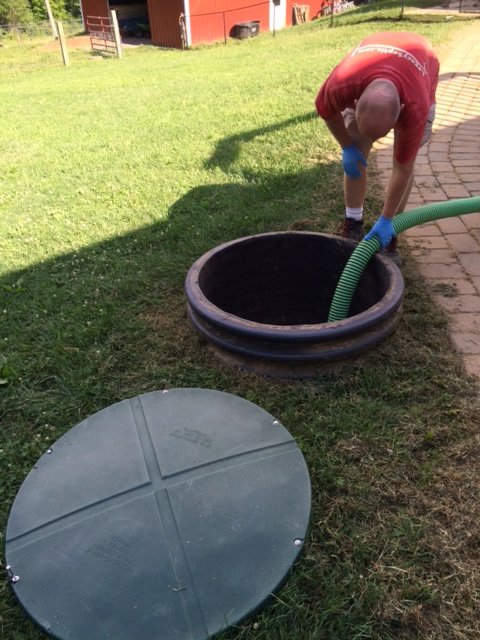
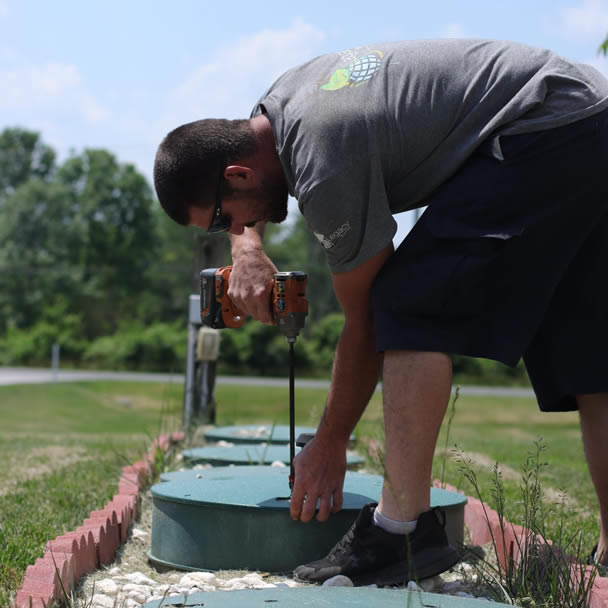
Opening the Access Point: After the tank is located, the access lid is uncovered. Some systems are equipped with risers that allow surface-level access, while others may require carefully removing soil to reach the tank opening.
Checking Waste Levels: Before pumping starts, the technician evaluates the amount and condition of waste inside the tank. This step helps determine whether buildup is within normal ranges or if potential issues are present.
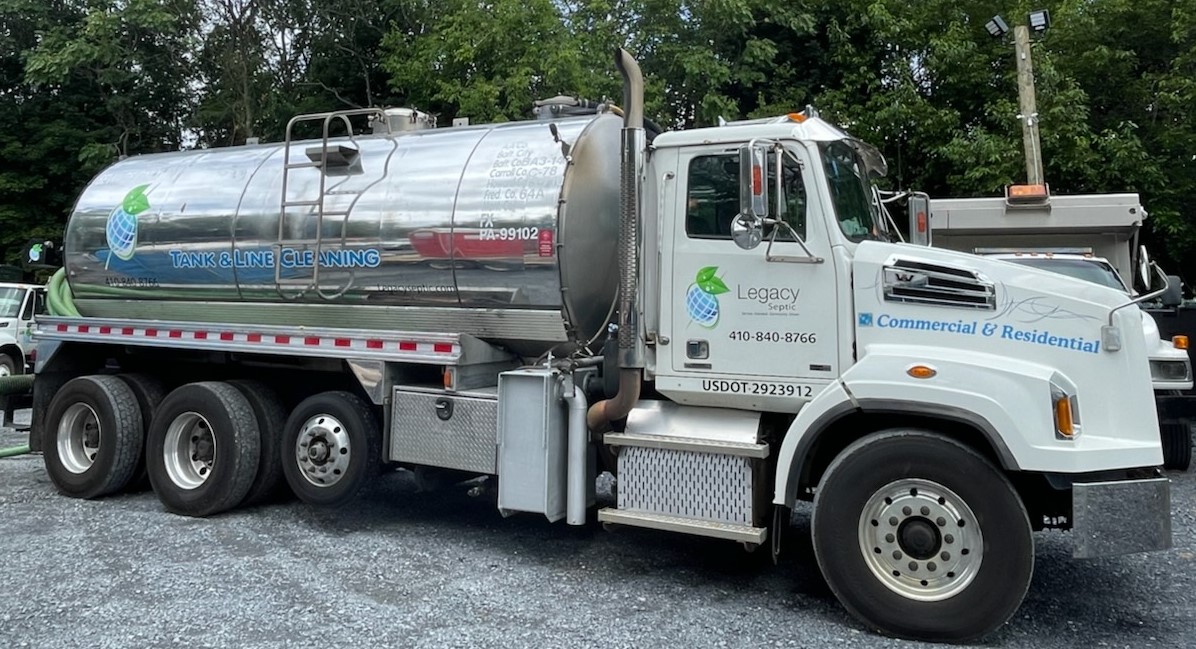
Removing Tank Contents: A vacuum truck is used to extract sludge, scum, and liquid waste from the tank. The material is removed through a reinforced hose and securely stored for proper transport.
Examining the Tank Structure: Once the tank is emptied, visible components can be inspected for signs of wear, damage, or developing problems. Clearing residual buildup may be done to allow a more accurate assessment.
Handling and Treating Waste: All collected waste is transported to an authorized treatment facility, where it is processed in accordance with environmental regulations and disposal requirements.
Securing the System and Site: After pumping and inspection are complete, the tank is closed and sealed. Any disturbed ground is restored as closely as possible to its original condition.
Discussing Observations and Recommendations: Before concluding the visit, the technician records service details and may offer guidance on future maintenance, including recommended pumping intervals based on system usage and condition.
Routine septic pumping helps reduce the risk of backups, supports long-term system performance, and minimizes the likelihood of costly repairs. Because pumping schedules vary depending on system size and usage, professional evaluation is key to proper maintenance planning.
When Does a Septic Tank Need to Be Pumped?
Tank Size: Septic tanks with greater capacity can hold more accumulated solids before reaching critical levels, which often allows for longer service intervals. Smaller tanks typically require pumping more often.
Number of Regular Users: Systems that support more occupants or frequent use will fill more quickly. Increased usage accelerates the buildup of sludge and scum, shortening the time between pump-outs.
Water Consumption Patterns: Higher daily water use moves waste through the system at a faster rate, which can contribute to quicker solid accumulation inside the tank.
Type and Volume of Waste: Activities such as frequent laundry cycles, heavy water usage, or the use of garbage disposals can introduce additional solids into the tank, increasing the need for more frequent pumping.
As a general reference, the following pumping intervals are commonly recommended:
- Systems serving 1–2 regular users: Pump every 3–4 years
- Systems serving 3–5 regular users: Pump every 2–3 years
- Systems serving 6 or more regular users: Pump every 1–2 years
These guidelines provide a helpful starting point, but actual service needs may differ. For example, a high-use system with a smaller tank may require more frequent pumping, while a lightly used system with greater capacity may extend beyond these intervals.
Making small adjustments to daily habits can also reduce stress on a septic system. Using water efficiently, keeping grease and non-biodegradable materials out of drains, and limiting harsh chemical use can all help slow waste buildup.
Regular evaluations by a septic professional are strongly encouraged. Inspections allow for precise measurement of sludge and scum levels, early detection of potential issues, and the development of a pumping schedule that aligns with your system’s specific conditions.
Staying ahead of routine maintenance helps support long-term system performance, reduces the likelihood of unexpected failures, and minimizes the risk of costly repairs or early replacement.
Request Pumping Service
"*" indicates required fields
Call Us
Text Us
Other Septic Services We Offer
Septic Installation
Installing a septic system requires more than placing a tank in the ground—it requires thoughtful planning, accurate site evaluation, and an understanding of how the system will be used over time. Legacy Septic provides septic system installation services for properties in Hampstead, MD, with each project designed around the specific conditions of the site.
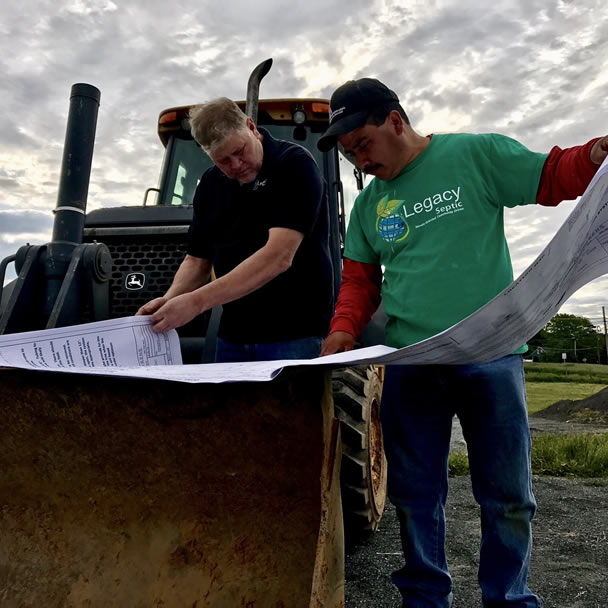
Before installation begins, our team evaluates soil conditions, layout constraints, and system requirements to determine the most effective configuration. This upfront planning helps prevent complications later and supports smooth installation from start to finish.
Once the plan is in place, installation is completed using proven techniques and modern equipment, followed by final checks to confirm proper operation. The result is a septic system built to perform reliably and support long-term use.
Septic tanks are sourced and delivered quickly, often faster than competitors—with permitting typically being the only factor that affects scheduling.
Maintaining Your Septic System
Keeping a septic system in good working order requires ongoing attention, not just occasional service calls. Regular maintenance helps systems operate as intended, reduces wear on key components, and lowers the chance of unexpected failures that can disrupt your property and lead to costly repairs.
Legacy Septic provides maintenance services designed to support the long-term health of a wide variety of septic systems. Rather than taking a one-size-fits-all approach, maintenance plans are tailored to system type, usage, and operational requirements to help ensure reliable performance over time.
Our septic maintenance services include:
- BAT (Norweco) Septic Maintenance Program
- Sandmound Preventive Maintenance Program
- Sewer Ejector Pump Preventive Maintenance Program
Each program focuses on system monitoring, proper operation, and early issue detection. Staying on top of maintenance helps support compliance requirements, improves system efficiency, and minimizes the risk of avoidable breakdowns caused by neglect.
Learn More
Water & Sewer Line Repairs
Water and sewer lines are buried out of sight, but they play a critical role in keeping a property functioning properly. Over time, these underground pipes can be affected by natural wear, ground movement, temperature changes, corrosion, and root intrusion, even on properties connected to public utilities.
Damage to these lines may show up as persistent drainage issues, unexplained moisture, unpleasant odors, or changes in how plumbing fixtures perform. Ignoring early warning signs can allow minor issues to worsen, increasing the likelihood of service interruptions or more extensive repairs.
Legacy Septic offers water and sewer line repair services focused on identifying problems at the source and restoring proper operation. Our team evaluates line conditions, determines the most effective repair approach, and completes the work with efficiency and care. From localized blockages to damaged or compromised sections of pipe, we help protect your property and support dependable system performance.
About Legacy Septic
Clear guidance and education are key to helping property owners in Hampstead, MD, make informed decisions about their septic systems. Understanding how a system functions—whether purchasing a home, maintaining an existing property, or preparing to sell—can help prevent unexpected issues and costly repairs.
Support is tailored for first-time buyers, current owners, and sellers facing tight timelines, with a focus on practical insight and reliable information. Through community education and on-site visits, property owners gain the knowledge needed to care for their septic systems with confidence.

About Hampstead, MD
Hampstead, Maryland, is a town in Carroll County with roots dating back to the mid-1700s, when the area was known as Spring Garden and served as a stop along an early travel route between Pennsylvania and Baltimore. Early settlers—primarily English, Scottish, and German farmers—helped shape the area’s agricultural foundation. Growth accelerated in the late 1800s with the arrival of the Western Maryland Railway, and Hampstead was officially incorporated in 1888, marking its transition from rural crossroads to an established town.
Today, Hampstead is a close-knit community of just over 6,000 residents, blending historic character with modern living. One notable landmark is the Hampstead School, a 1919 Tudor Revival building listed on the National Register of Historic Places and now repurposed for residential use. With local businesses, community events, and convenient access to surrounding towns via Route 30, Hampstead continues to offer a small-town atmosphere while remaining well connected to the rest of Carroll County.



Septic Services Can't Wait. Legacy responds immediately!
Proudly serving Carroll, Baltimore, Howard, and Frederick Counties, including Hampstead, Owings Mills, Reisterstown, Taneytown, Finksburg, Monkton, and Parkton for over 35 years!
Get Social With Us!
Contact Us!
2914 Hanover Pike
Manchester, MD 21102
Telephone: 410-840-8766
Email: info@legacyseptic.com
Text: 240-372-2744
© 2026 All Rights Reserved. | Privacy Policy